Lauritz Knudsen has long been associated with innovation and reliability in the electrical industry, offering advanced protection devices designed to meet the evolving demands of modern infrastructure. In today’s fast-paced industrial and commercial environments, electrical safety is not optional—it is essential. Among the most critical components in any electrical distribution system are mccbs, which safeguard circuits, equipment, and human life from overloads and short circuits. Understanding how these protective devices function and how they compare to mcb switches is vital for engineers, contractors, and facility managers seeking dependable performance.
The Growing Need for Advanced Circuit Protection
Modern electrical systems are far more complex than those used a few decades ago. With the increasing use of automation, heavy machinery, renewable energy systems, and smart technologies, power distribution networks must handle higher loads and more dynamic operating conditions. Electrical faults such as overloads, short circuits, and ground faults can lead to severe equipment damage, downtime, and even fire hazards.
This is where mccbs play a vital role. Designed to handle higher current ratings than standard protective devices, they are ideal for industrial and large commercial installations where reliability is critical.
What Are MCCBs?
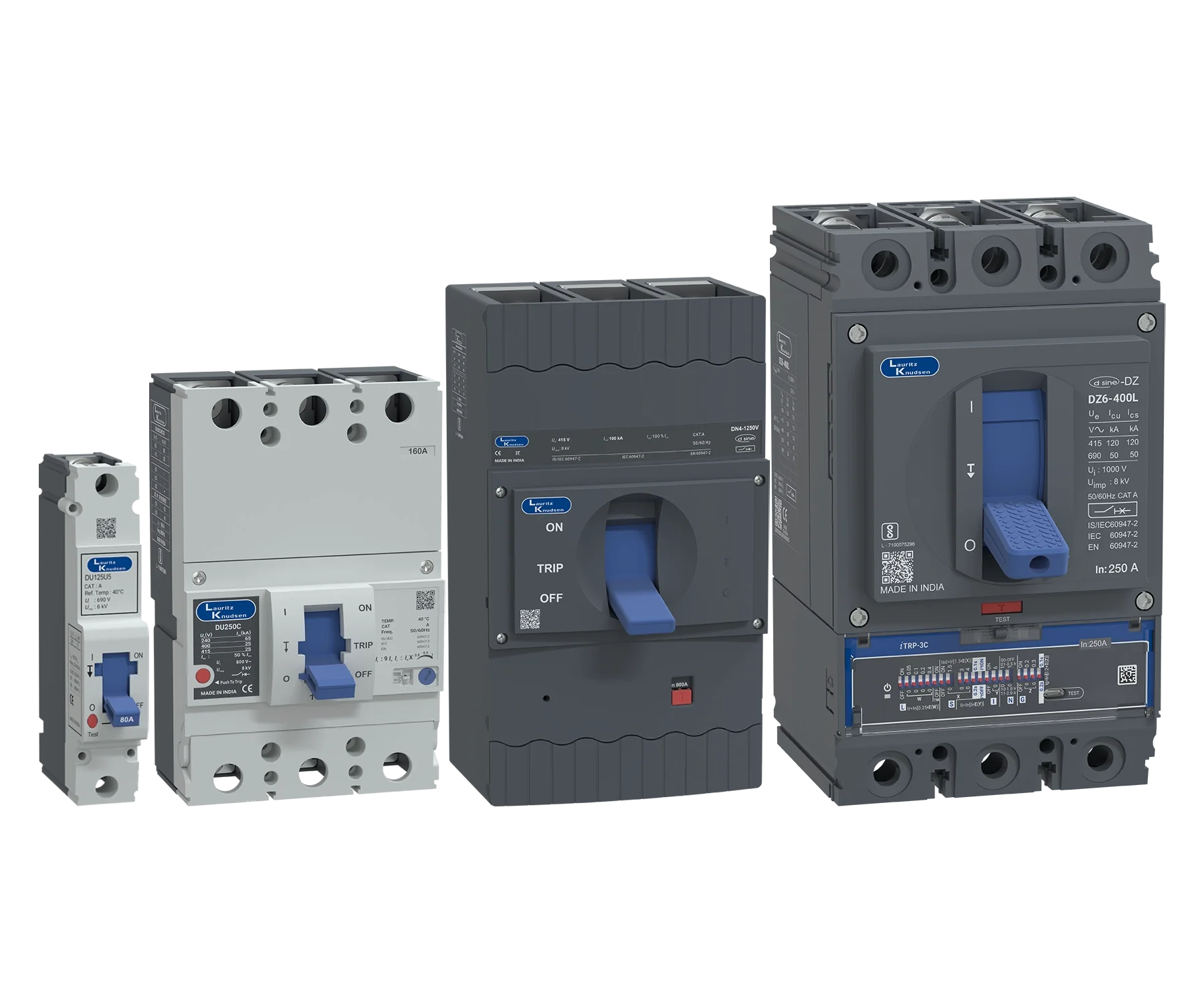
Molded Case Circuit Breakers, commonly referred to as mccbs, are protective devices used to interrupt electrical circuits when abnormal conditions occur. These breakers are housed in durable molded casings that provide insulation and mechanical strength.
Unlike simpler protection devices, mccbs offer adjustable trip settings, allowing users to customize protection parameters according to the application. They are commonly used in:
- Industrial power distribution systems
- Commercial buildings
- Data centers
- Manufacturing plants
- Large residential complexes
Their robust construction and advanced features make them suitable for handling higher currents and fault levels.
Key Features of MCCBs
High Current Rating
One of the main advantages of mccbs is their ability to manage higher current loads compared to mcb switches. While MCBs are generally used for low-current applications, MCCBs are designed for heavy-duty performance.
Adjustable Trip Settings
Most mccbs allow users to adjust thermal and magnetic trip settings. This flexibility ensures accurate protection based on load requirements and prevents nuisance tripping.
Enhanced Breaking Capacity
In high-fault environments, breakers must safely interrupt large currents. Mccbs are engineered with superior breaking capacity, making them suitable for demanding applications.
Compact and Durable Design
The molded case design offers insulation, durability, and resistance to environmental stress, ensuring long service life.
Understanding MCB Switches
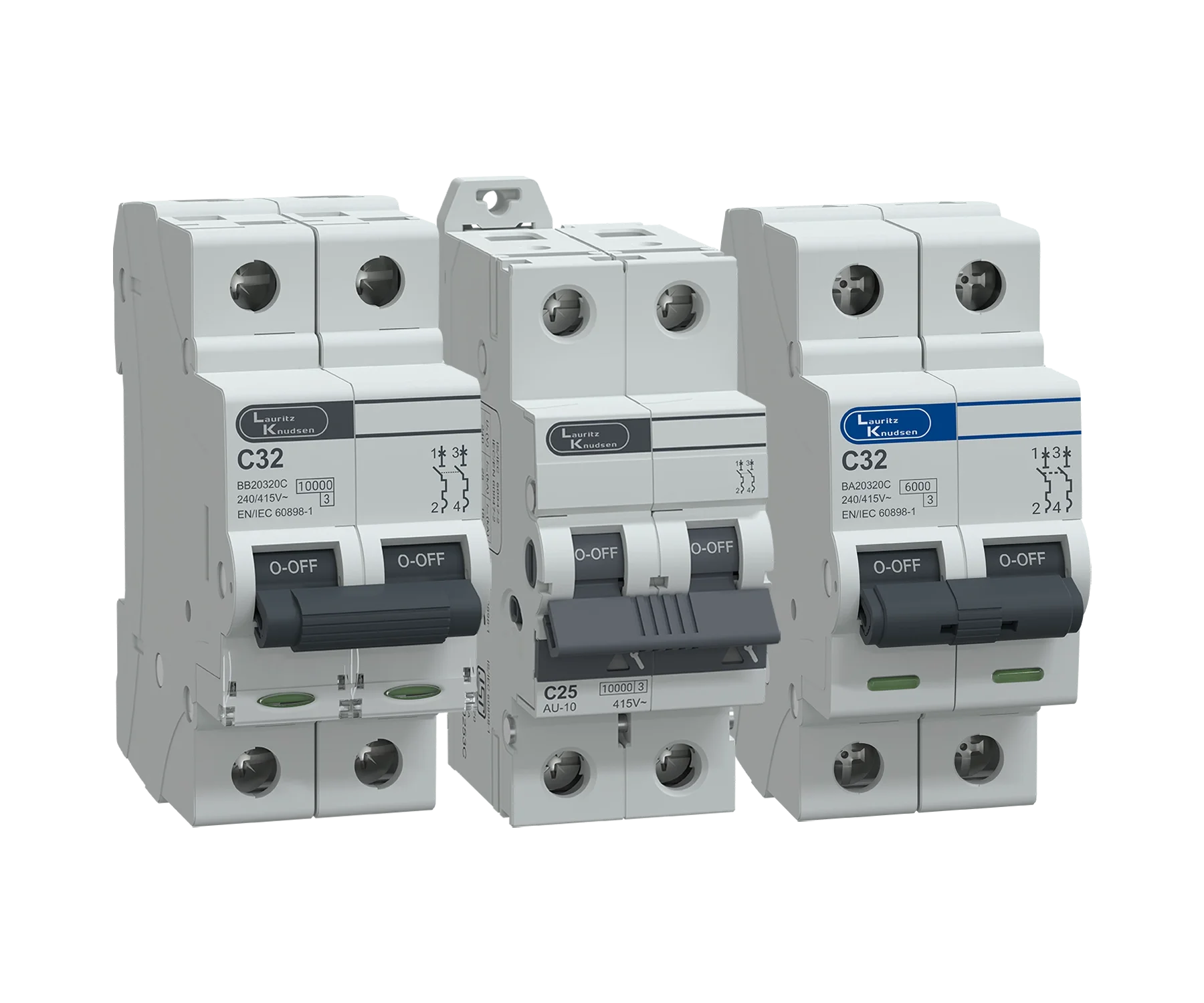
To appreciate the importance of mccbs, it helps to understand how they differ from mcb switches. Miniature Circuit Breakers are commonly installed in homes and small offices to protect lighting circuits and low-power appliances.
Mcb switches are designed for lower current ratings and have fixed trip characteristics. They are compact, affordable, and easy to install, making them ideal for residential use. However, they are not suitable for heavy industrial loads where fault currents are significantly higher.
MCCBs vs MCB Switches
The difference between mccbs and mcb switches lies primarily in capacity, application, and flexibility.
MCCBs are preferred for:
- High-power industrial equipment
- Main distribution boards
- Applications requiring adjustable protection
MCB switches are commonly used for:
- Residential circuits
- Small commercial setups
- Lighting and small appliance protection
Selecting the right breaker depends on system requirements, load capacity, and fault levels.
How MCCBs Work
The working principle of mccbs combines thermal and magnetic protection mechanisms.
Thermal Protection
Thermal protection safeguards against overload conditions. When excessive current flows for a prolonged period, a bimetallic strip inside the breaker heats up and bends, triggering the trip mechanism.
Magnetic Protection
Magnetic protection reacts instantly to short circuits. A sudden surge in current generates a magnetic field strong enough to activate the trip system immediately, cutting off power.
Together, these mechanisms ensure reliable protection against both gradual overloads and sudden faults.
Importance in Industrial Applications
In industrial environments, downtime can result in significant financial losses. Heavy motors, transformers, and machinery require dependable protection to avoid costly damage.
Mccbs are commonly installed in motor control centers, distribution panels, and generator systems. Their ability to handle higher current ratings and interrupt substantial fault currents makes them indispensable in such settings.
Additionally, modern facilities often integrate automation systems and energy management technologies. Reliable circuit protection ensures smooth and uninterrupted operations.
Safety Benefits
Electrical safety is a top priority in any installation. Faulty wiring or overloaded circuits can lead to severe hazards, including fires and electric shocks.
By installing properly rated mccbs, businesses can:
- Reduce fire risks
- Protect sensitive equipment
- Improve system reliability
- Comply with safety regulations
While mcb switches are suitable for smaller circuits, industrial environments demand the advanced protection capabilities of MCCBs.
Customization and Versatility
One of the standout features of mccbs is their adaptability. They are available in various frame sizes, pole configurations, and trip units.
Advanced models may include:
- Electronic trip units
- Remote monitoring capabilities
- Integration with building management systems
- Adjustable current settings
This versatility makes mccbs suitable for evolving infrastructure and future expansions.
Energy Efficiency and System Optimization
Efficient power management is crucial in modern facilities. Faulty or overloaded circuits can waste energy and reduce system performance.
By accurately matching protection devices to load requirements, mccbs contribute to optimized energy usage. Adjustable trip settings ensure that circuits operate within safe limits without unnecessary interruptions.
When combined with high-quality mcb switches for smaller circuits, facilities achieve layered protection that enhances overall system performance.
Installation and Maintenance
Proper installation is essential for maximizing the lifespan and performance of mccbs. Qualified professionals must assess load calculations, fault levels, and environmental factors before selecting the appropriate breaker.
Routine maintenance includes:
- Inspecting for signs of wear
- Testing trip mechanisms
- Checking connections
- Cleaning dust and debris
Preventive maintenance ensures continued reliability and minimizes unexpected failures.
Future Trends in Circuit Protection
As industries adopt smart technologies and renewable energy systems, circuit protection devices are also evolving. Digital monitoring, predictive maintenance, and integration with IoT platforms are becoming standard features.
Modern mccbs are designed to support these advancements, offering enhanced communication capabilities and improved diagnostics. This evolution ensures that electrical systems remain resilient in increasingly complex environments.
Meanwhile, mcb switches continue to serve as dependable solutions for residential and small commercial applications, complementing larger protective systems.
Choosing the Right Protection Solution
Selecting between mccbs and mcb switches depends on several factors:
- Load requirements
- Fault current levels
- Application type
- Expansion plans
- Budget considerations
A thorough assessment of these elements ensures optimal safety and performance. Consulting experienced electrical professionals can further enhance decision-making.
Conclusion
Electrical protection is the backbone of safe and efficient power distribution. From small residential circuits to large industrial installations, choosing the right protective device ensures system reliability and user safety. While mcb switches provide dependable protection for low-current applications, mccbs deliver the advanced capacity, flexibility, and durability required for modern commercial and industrial environments.
As electrical systems grow more sophisticated, investing in high-quality circuit protection solutions becomes increasingly important. With a strong legacy in delivering reliable electrical products, Lauritz Knudsen continues to support businesses and infrastructure projects with innovative technologies that meet today’s demanding safety standards. By understanding the role of MCCBs and selecting the appropriate solutions, organizations can build resilient, efficient, and future-ready electrical systems.