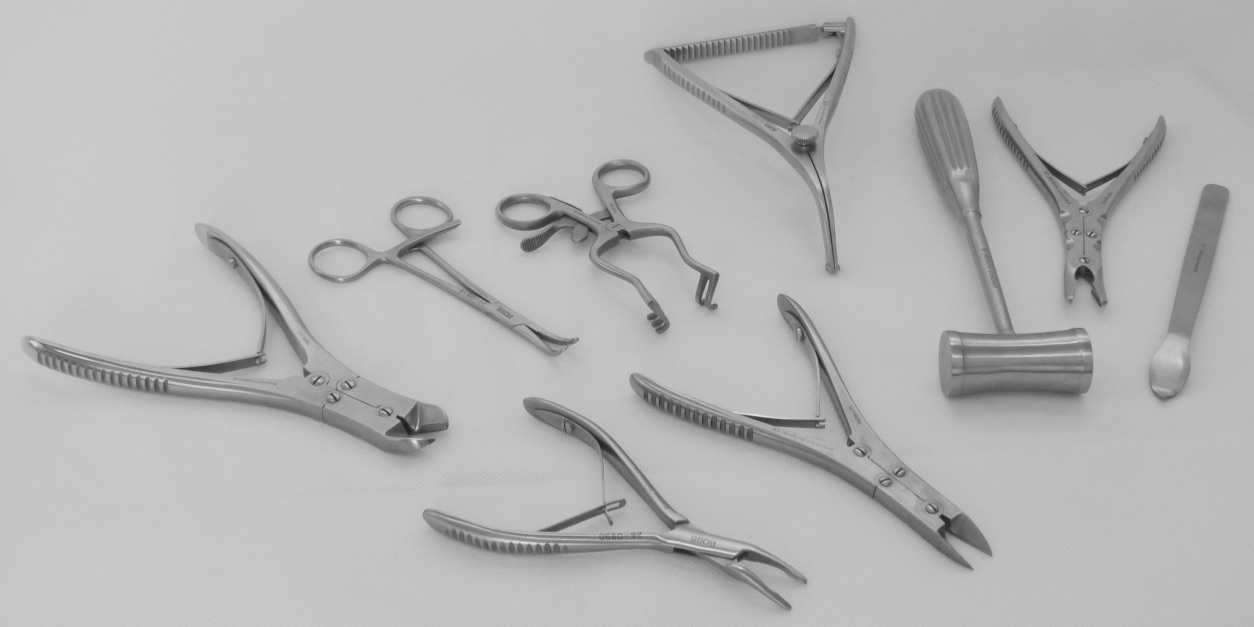
Modern bone surgery relies on specialized tools that help surgeons perform procedures with precision, control, and consistency. From repairing fractures to replacing joints, each stage requires instruments designed for specific surgical tasks. Orthopedic instruments manufacturers play an important role in developing tools for cutting, drilling, holding, shaping, and stabilizing bone.
Understanding how these instruments function helps healthcare professionals appreciate their importance in contemporary surgical practice. Their design, material quality, and maintenance also influence usability and durability. Exploring their applications reveals how carefully selected surgical tools support different orthopedic procedures and help operating teams carry out planned interventions effectively.
The Role of Instruments in Bone Surgery
Orthopedic procedures often involve hard bone, surrounding soft tissue, and structures that must be protected. Instruments are designed for specific functions, allowing the surgical team to perform each step with suitable access and control. A complete set may include cutting tools, grasping forceps, retractors, drills, reamers, measuring tools, and drivers for screws or other fixation components.
The instruments selected depend on the procedure, the patient’s needs, and the surgeon’s established technique. Fracture repair, joint replacement, spinal surgery, and reconstructive procedures do not require identical tools. Preparing the correct equipment in advance helps the team organize the operating field and avoid unnecessary interruptions.
Bone Cutting and Shaping Tools
When a procedure requires bone to be cut, reshaped, or prepared, specialized instruments help the surgeon carry out controlled work. Osteotomes and chisels are used to cut or shape bone, while gouges and bone rasps can help remove or smooth small areas as required. Bone cutters are designed for particular cutting tasks, and rongeurs remove small pieces of bone or tissue.
The design of each instrument matters. Its edge, shape, balance, and handle influence how it can be positioned and controlled. Selecting the right tool for the intended task is important because instruments are not interchangeable simply because they look similar. Careful handling and appropriate inspection also help preserve their working condition.
Holding and Aligning Bone
In fracture surgery, bone fragments may need to be brought into alignment and held steady while fixation is completed. Bone-holding forceps and reduction forceps help the surgeon grasp or position bone during this stage. Their jaws and locking mechanisms are designed to provide a suitable grip for particular applications.
Stable positioning can help the surgeon assess alignment and proceed with the planned repair. The instruments must be chosen according to the bone, access required, and procedure being performed. They also need to be handled carefully to avoid unnecessary pressure on surrounding structures. These tools assist the surgeon’s work; they do not replace clinical judgment or imaging where indicated.
Drilling and Fixation Instruments
Many fracture repairs use fixation systems such as plates, screws, wires, or nails to hold bone in an appropriate position while healing takes place. Orthopedic drills, drill guides, reamers, screwdrivers, and measuring instruments may be used at different stages, depending on the technique and implant system.
Accurate preparation helps the surgical team follow the planned placement of fixation components. Drill guides can help direct a drill, while measuring tools support selection of suitable screw lengths. Drivers are designed to engage particular screw heads and transfer controlled turning force. Compatibility between instruments and implants is important, so teams follow the manufacturer’s instructions and the procedure-specific requirements.
Supporting Joint Replacement and Reconstruction
Joint replacement surgery involves preparing bone surfaces and positioning implants according to the surgical plan. Specialized instruments can include alignment guides, cutting guides, rasps, trial components, impactors, and tools for handling implants. Their design supports consistent preparation and helps the surgeon assess fit and positioning during the operation.
Reconstructive procedures and bone grafting may require other tools, such as curettes, elevators, graft harvest instruments, and impactors. Since each case differs, the team selects instruments based on anatomy, the planned procedure, and the equipment system being used. Clear identification and carefully organized trays make it easier to locate the required tools at the appropriate stage.
Material, Design, and Manufacturing Quality
Instrument quality matters because surgical tools must withstand demanding use and repeated processing when designed for reuse. Medical-grade stainless steel is commonly used for many orthopedic instruments because of its strength and corrosion resistance. Finishing, joint alignment, edge quality, grip, and balance also influence usability and durability.
Reliable orthopedic instruments manufacturing involves careful attention to material selection, shaping, machining, finishing, inspection, and quality documentation. Manufacturers should apply appropriate quality controls and provide clear instructions for use, cleaning, sterilization, and maintenance. Buyers should review relevant certifications and product documentation rather than assuming that all instruments have identical specifications.
Sterilization, Inspection, and Maintenance
Reusable instruments require cleaning and sterilization according to validated instructions and the healthcare facility’s protocols. Residual soil can interfere with effective reprocessing, while corrosion, damaged edges, loose joints, or misaligned parts can affect instrument function. Staff should inspect tools before use and remove damaged instruments from service according to institutional procedures.
After use, instruments should be handled, cleaned, dried, inspected, and stored in line with the manufacturer’s guidance. Correct tray organization also helps teams confirm that the required instruments are present and ready. Maintenance is not merely a purchasing concern; it is an ongoing, routine responsibility shared by healthcare facilities and their reprocessing teams.
Conclusion
Modern bone surgery relies on specialized tools that support cutting, shaping, stabilizing, drilling, and reconstruction. Each instrument has a defined purpose, and its design, condition, and compatibility matter throughout a procedure. By understanding clinical requirements and evaluating product quality carefully, healthcare teams can prepare better-equipped operating rooms. Experienced orthopedic instruments manufacturers help meet these needs with instruments designed for precision, durability, and consistent use.
Choosing suitable surgical tools helps healthcare teams meet diverse procedural requirements with greater confidence. Salwan Surgicare manufactures and supplies orthopedic surgical instruments for hospitals, surgical centers, distributors, and healthcare procurement teams. Their range includes bone cutters, bone-holding forceps, osteotomes, bone rasps, drills, and complete instrument sets. The company also supports bulk orders, customized sets, OEM services, and international supply. Contact Salwan Surgicare to request product specifications, catalog details, or a quotation for your requirements.